
The Technique That Goes Beyond Traditional Massage
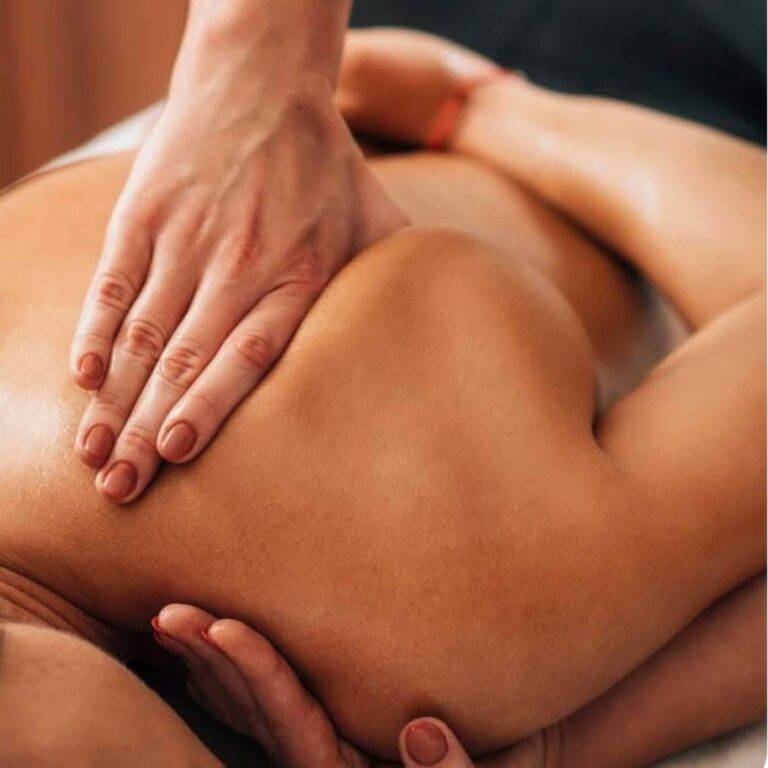
Myofascial Release: What It Is, How It Works, and Why It Transforms Your Well-Being
Myofascial Release is a therapeutic technique designed to relieve tension in the muscles and the fascia — the thin, strong, and highly sensitive tissue that surrounds every muscle, bone, and organ in the body.
When this structure becomes tight or restricted, it can lead to pain, reduced mobility, and postural imbalances.
What Is the Fascia?
The fascia is a vast connective network that supports and links everything in the body.
For healthy movement, it must remain elastic, hydrated, and flexible.
Factors like stress, poor posture, sedentary habits, repetitive movements, or injuries can cause the fascia to stiffen. When that happens, people may experience:
•Persistent muscle pain
•Stiffness
•A sensation of “tightness” or restriction
•Discomfort that doesn’t improve with stretching
•Reduced range of motion
Myofascial Release targets exactly these dysfunctional areas.
How Does the Technique Work?
During a session, the therapist applies deep pressure, slow stretching, and specific manual techniques on areas where the fascia is restricted.
The goals are to:
•Restore tissue mobility
•Release adhesions
•Improve blood flow
•Reduce pain and inflammation
•Allow the body to move more naturally
It’s a firm yet highly effective treatment.
Benefits of Myofascial Release
This technique is widely used both for pain relief and functional improvement. Its key benefits include:
•Reduction of chronic muscle pain
•Improved posture
•Increased flexibility
•Relief from tension caused by stress and anxiety
•Faster recovery after workouts
•Enhanced local circulation
•Prevention of injuries
Most clients feel noticeable relief even after the first session.
Who Is It For?
Myofascial Release is ideal for people who:
•Experience neck and shoulder pain
•Work long hours in seated positions
•Are athletes or regular exercisers
•Suffer from low-back pain or sciatic discomfort
•Accumulate tension due to stress
•Have limited mobility from stiffness
It’s a safe technique that can be adapted to each person’s sensitivity.
What to Expect in a Session
A session usually begins with a short assessment to identify the most restricted areas.
Then, the therapist uses:
•Manual pressure
•Elbow techniques
•Deep gliding movements
•Fascial stretching
The sensation is one of deep, controlled pressure followed by progressive relief.
Why Include This Technique in Your Self-Care Routine?
Muscular pain often stems not from the muscle itself, but from a restricted fascia.
By releasing this tissue, the body can:
•Breathe and move more freely
•Reduce accumulated tension
•Improve posture naturally
•Experience immediate and long-term well-being
Myofascial Release is more than a massage — it’s a therapeutic approach that supports real structural change.
BY: Carolina Guimarães

Welcome to Harmony Beauty Clinic, where we offer a range of services designed to enhance your natural beauty and well-being. Our expert team provides personalized treatments including skin rejuvenation, body contouring, and laser hair removal. Experience the rejuvenating power of our advanced injection therapies and indulge in relaxing massage sessions tailored to your needs. At Harmony Beauty Clinic, we prioritize your comfort and satisfaction, ensuring a serene and luxurious environment. Visit us to discover the harmonious blend of health and beauty that elevates your confidence and radiance.
Harmony Beauty Clinic
6, Saint Andrews Street – Ground Floor
Eircode: D02 VW40
Copyright © 2025 Harmony Beauty Clinic. All rights reserved.